

The Risks of a Solar Import Ban Without an Industrial Policy
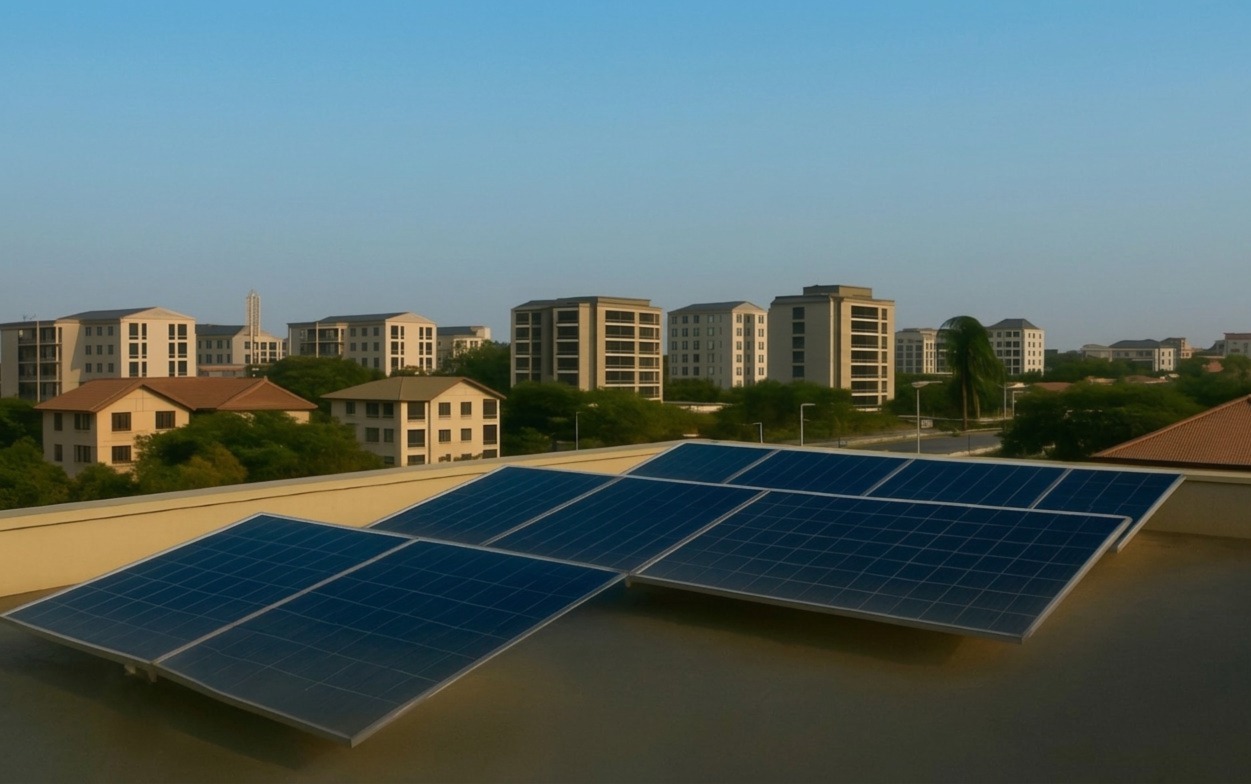
Nigeria’s recent move to restrict the importation of solar panels reflects a growing awareness that energy security must be built, not just bought.
With over 90 million citizens still lacking reliable access to power, the need to scale renewables is urgent and the government’s intention to
stimulate local manufacturing is both timely and commendable.
But intention is not the same as strategy. Without a clear, integrated industrial policy, an import ban could stall solar deployment, worsen the
energy crisis, and undermine investor confidence all while failing to deliver the very local manufacturing it seeks to create.
1. Nigeria Is Not Alone - The Global Solar Chessboard Is Being Redrawn
The solar industry is undergoing seismic shifts. The United States has reintroduced steep tariffs on solar components from Southeast Asia —
as high as 49% targeting countries like Vietnam, Malaysia, Thailand, and Cambodia. The European Union is also moving in a similar
direction, introducing new measures to de-risk dependence on Chinese-dominated clean tech.
For African countries like Nigeria, this presents a rare and fleeting opportunity. Multinational manufacturers are seeking tariff-free
manufacturing bases — and with its land, labour, mineral resources, and growing demand, Africa could emerge as a new global solar hub. But to
seize this opportunity, we must move quickly and strategically.
2. Aligning Nigeria’s Growth and Industrial Agenda
Nigeria has long aspired to diversify its economy through the Renewed Hope Agenda, Nigeria Industrial Revolution Plan, and Energy Transition
Plan. Yet, the solar sector remains dominated by imports. A blanket import ban without a scale-ready local manufacturing base risks:
â— Increasing project costs by 20–40% in the near term.
â— Disrupting the deployment of mini-grids and commercial-scale solar.
â— Pushing investors to more stable regional markets like Ghana, Kenya, or Egypt.
3. What a Smart Solar Industrialisation Policy Looks Like
To make Nigeria a net exporter, we need a multi-pronged approach:
â— Investment Incentives: Tax holidays, duty waivers for raw materials, and energy-focused industrial clusters.
â— Blended Finance: Using donor and development finance to de-risk early-stage ventures.
â— Strategic Trade Diplomacy: Positioning Nigeria as a tariff-free export base for firms impacted by global trade tensions.
â— Human Capital: Investing in technician training and R&D partnerships between universities and private firms (supporting the
work of institutions like NASENI).
4. The Strategic Choice Before Us
We have a narrow window. Acting strategically creates thousands of jobs and reduces FX outflows. Rushing into restrictive policy without capacity
risks raising costs and losing momentum to competitors.
5. The Role of the Private Sector - What We’re Doing at Mente
At Mente Energy, we are developing a solar component manufacturing strategy that responds to these shifts. We are focused on:
â— Local capacity in panels, inverters, and battery systems—not just assembly.
â— Value chain integration and regional scale-up.
â— Blended capital structures involving DFI, private equity, and public sector partners.
Conclusion
We cannot ban our way to energy security; we must build our way there.
Let’s use this moment to anchor Nigeria’s just energy transition in factories, skills, and green infrastructure.
More headlines
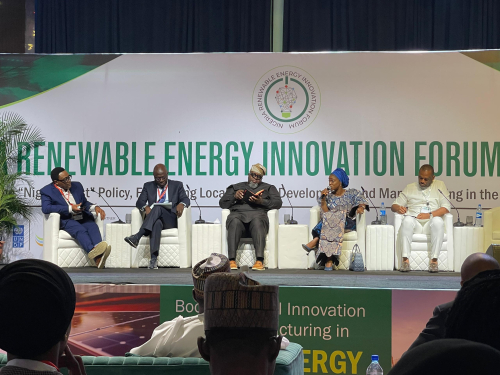
Nigeria’s clean energy future is no longer a promise - it’s being built, right here, by Nigerians.
Mente Energy joined innovators, industry leaders and policymakers at the first Nigerian Renewable...
Read More